
A balanced lifestyle isn’t about getting every part of your life perfectly right. It’s about creating a way of living that allows you to look after your health, meet your responsibilities and still make time for the things that make life meaningful.
We often hear that we need more balance in our lives. We should exercise regularly, eat well, sleep enough, work hard, spend time with loved ones, maintain our homes, pursue our interests and somehow find time to relax.
Although these are all worthwhile goals, trying to fit everything into every day can become another source of pressure. Instead of feeling balanced, we end up feeling as though we are constantly falling behind.
The good news is that balance doesn’t have to look like a perfectly organised schedule. It’s something much more personal and much more forgiving.
Balance doesn’t mean equal
A common idea of balance is giving every area of life the same amount of time and energy. In reality, life rarely works that way.
There will be weeks when work needs more of your attention, seasons when family comes first and periods when your health needs to become the priority. That isn’t a failure of balance. It’s simply life.
A balanced lifestyle is less about dividing your time evenly and more about making sure no important part of your life is neglected for too long. It’s the ability to notice when something has been pushed aside and to gently bring it back into focus.
Think of it less like a set of scales that must always be level, and more like a rhythm. Some days are busier, some are quieter, and over time the pattern supports the life you want to live.
What does a balanced lifestyle look like?
There is no single picture of balance, because every person’s circumstances, responsibilities and values are different. For most of us, though, a balanced lifestyle tends to include a few common foundations:
- Regular movement that keeps your body strong, mobile and energised.
- Nourishing food that supports your energy, without rigid rules or guilt.
- Enough sleep and recovery to help your body and mind restore themselves.
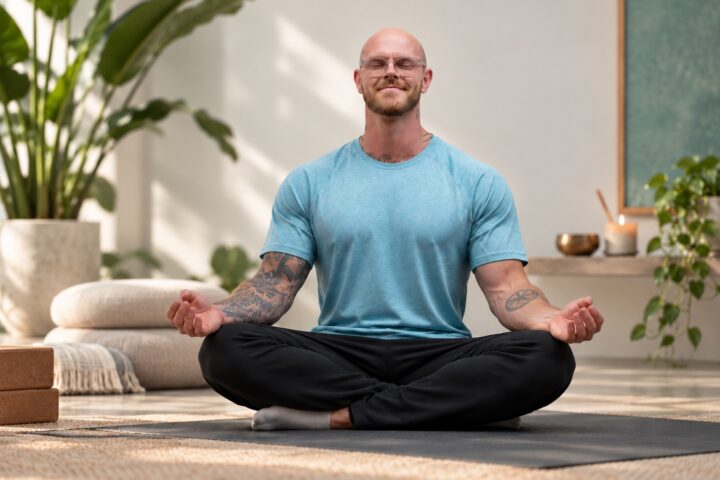
- Time to rest and reflect, even if it’s only a few quiet minutes a day.
- Meaningful relationships and a sense of connection with others.
- Purpose and enjoyment, whether that comes from your work, a hobby, learning or helping others.
When these foundations are in place, we are usually better able to cope with the pressures of everyday life, and to enjoy the good moments when they come.
Signs your life may be feeling out of balance
Imbalance often creeps up slowly. We adapt to it, and before long a stretched, tired way of living starts to feel normal. It can help to pause and notice some of the common signs:
- You regularly feel tired, even after a full night in bed.
- Exercise, healthy meals or time outdoors keep slipping to the bottom of the list.
- You find it hard to switch off from work or responsibilities.
- You have little time or energy left for the people and activities you enjoy.
- Small frustrations feel bigger than they should.
- You can’t remember the last time you did something purely because you wanted to.
Recognising these signs isn’t about criticising yourself. It’s simply information, and a useful starting point for making a few small changes.
Six ways to find your own rhythm
1. Start with your foundations
When life feels busy, the habits that support us most are often the first to go. Sleep, movement, nourishing meals and moments of rest are not luxuries to fit in once everything else is done. They are what give you the energy to handle everything else.
Choose one foundation to protect this week. It might be a consistent bedtime, a daily walk or preparing a proper lunch instead of skipping it.
2. Think in weeks, not days
Trying to achieve perfect balance every single day can feel impossible. Looking at your week as a whole is often more realistic.
You may not exercise, cook, see friends and rest every day, but across a week you can make sure each of these has a place. A busy Monday can be balanced by a quieter evening later in the week.
3. Plan rest as deliberately as you plan work
We schedule meetings, appointments and deadlines, yet we often leave rest to chance. And when rest is left to chance, it rarely happens.
Put downtime in your diary. Block out an evening with no commitments, a morning walk or an hour for a hobby, and treat it with the same respect you would give any other appointment.
4. Learn when to say no
Every time we say yes to something, we are also saying no to something else, often our own rest, health or time with the people we care about.
Setting boundaries isn’t selfish. It’s a way of protecting the energy you need to show up well for the things and people that matter most. Before agreeing to something new, ask yourself whether you genuinely have the time and energy for it.
5. Make healthy habits part of your routine
Healthy habits are much easier to maintain when they are built into your day, rather than added on top of it.
Walk or cycle for short journeys, take the stairs, stretch while the kettle boils, prepare meals in advance or link a few minutes of quiet breathing to something you already do, like your morning coffee. Small habits repeated often tend to make a bigger difference than ambitious plans that are hard to sustain.
6. Check in with yourself regularly
Balance isn’t something you set once and forget. Your needs will change as your circumstances change.
Once a week, take a few minutes to reflect. What felt good this week? What drained your energy? What would you like more or less of next week? Writing your answers down can help you notice patterns over time and adjust before you start to feel overwhelmed.
Balance changes with the seasons of life
What balance looks like in your twenties may be very different from what it looks like as a new parent, during a demanding career phase or in retirement.
Rather than holding yourself to a fixed standard, give yourself permission to adapt. Ask what you need in this particular season of your life, and shape your routines around that.
Sometimes balance means pushing towards a goal with focus and discipline. Sometimes it means slowing down, recovering and allowing yourself more space. Both can be part of a healthy, well-lived life.
Progress, not perfection
There will always be days when things don’t go to plan. You may miss a workout, eat on the run or stay up later than you intended. That’s part of being human.
What matters most is not getting everything right, but returning to the habits that support you, again and again, without being too hard on yourself.
At Physique Science, I believe that a balanced lifestyle is one you can actually live. It should support your health, fit around your responsibilities and leave room for rest, connection and enjoyment. My goal is to help you find a rhythm that works for you, with practical guidance around movement, nutrition, sleep, stress and mindset.
You don’t need to change everything at once. Find your rhythm, one small step at a time.
Physique Science — Live better. Feel better. Be better.