
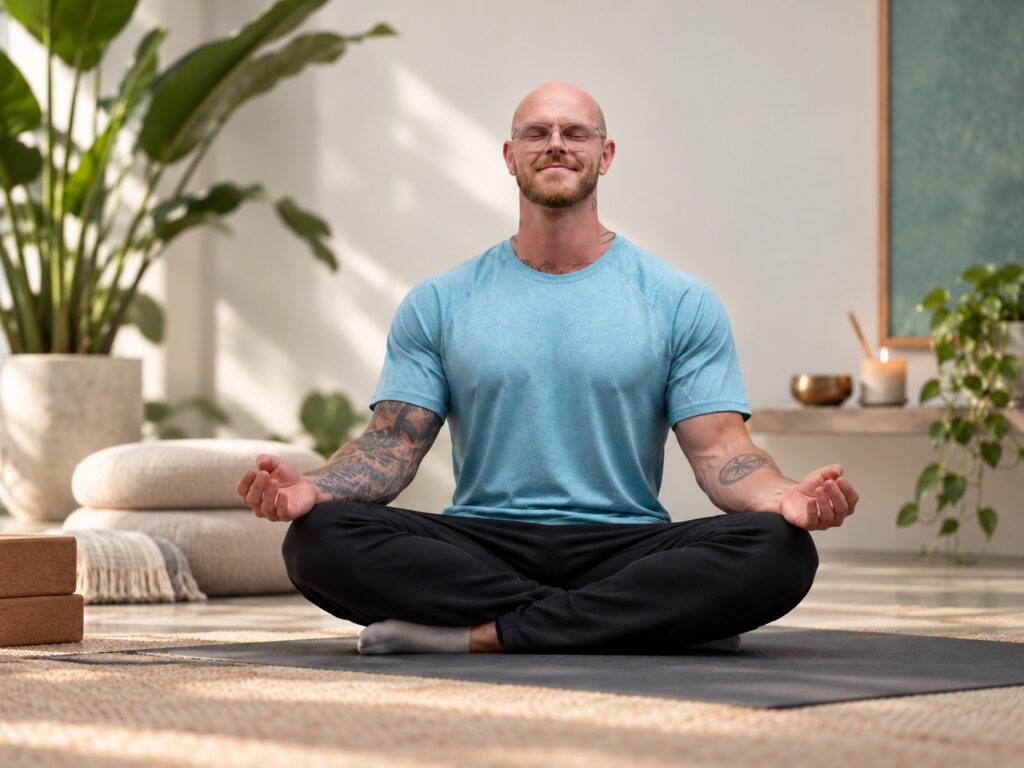
Sometimes, the most valuable thing we can do for ourselves is stop, take a breath and give ourselves a moment to simply be.
Our lives are often filled with noise. Notifications, responsibilities, deadlines, conversations and an endless stream of thoughts can leave us feeling as though our minds never truly switch off.
Even when our bodies are resting, our minds may still be working through yesterday’s worries or tomorrow’s plans.
Over time, this constant mental activity can make it difficult to feel present, appreciate the moment or recognise what we need to feel well.
Meditation offers an opportunity to slow down. It gives us a space to observe our thoughts, reconnect with ourselves and practise bringing our attention back to the present moment.
You don’t need to be an expert, sit cross-legged on a mountain or completely empty your mind. Meditation can begin with something as simple as sitting comfortably and paying attention to your breathing for a few minutes.
What is meditation?
Meditation is a practice that involves intentionally directing your attention and developing awareness of your thoughts, feelings, bodily sensations or surroundings.
There are many different approaches. Some involve focusing on the breath, while others use guided visualisation, body awareness, repeating a phrase or observing thoughts without immediately reacting to them.
Mindfulness meditation, in particular, encourages us to notice what is happening in the present moment with curiosity rather than judgement.
The aim isn’t to stop thoughts from appearing. Thoughts are a natural part of being human. Instead, we practise noticing when our attention has wandered and gently bringing it back.
Each time we do this, we have an opportunity to practise patience and awareness.
Why make meditation part of your lifestyle?
Meditation is not a magic solution to life’s challenges, but regular practice can be a useful tool for supporting overall wellbeing.
1. Create space between a thought and a reaction
When something stressful happens, it’s easy to react automatically. A difficult conversation, an unexpected problem or a frustrating day can trigger thoughts and emotions before we’ve had a chance to reflect.
Meditation encourages us to notice those internal responses. With practice, we may become better at recognising what we’re experiencing and choosing how to respond.
This doesn’t mean we will never feel frustrated or overwhelmed. It means we can practise responding with greater awareness.
2. Become more present
How often do you eat a meal while thinking about work, spend time with someone while checking your phone or walk outdoors without really noticing your surroundings?
Mindfulness invites us to experience more of what is happening right now.
Notice the taste of your food, the warmth of the sun, the sound of birds or the feeling of your feet touching the ground as you walk.
These moments don’t need to be extraordinary to be meaningful. Sometimes, appreciating ordinary experiences is part of what makes everyday life feel richer.
3. Support stress management
Meditation can help some people manage stress and develop a greater sense of calm. Research suggests that mindfulness and meditation programmes can offer modest benefits for stress, anxiety and depressive symptoms for some people, although results vary.
Meditation is not a replacement for professional care when it is needed, and it doesn’t have to feel relaxing every time. Sometimes, sitting quietly makes us more aware of thoughts or emotions we’ve been avoiding.
Approach the practice gently, and choose a different technique if a particular approach feels uncomfortable.
4. Develop greater self-awareness
When we give ourselves space to pause, we may begin to recognise patterns in our thinking, behaviour and emotions.
We might notice that we’re taking on too much, neglecting our needs or repeatedly responding to situations in ways that leave us feeling drained.
Awareness is a starting point for change. It helps us recognise where small adjustments could make everyday life healthier and more manageable.
A simple five-minute meditation for beginners
You don’t need special equipment or a dedicated meditation room. Try this simple practice at home, before starting your day or whenever you want to take a short pause.
Step 1: Find a comfortable position
Sit on a chair, on a cushion or somewhere you can relax without needing to hold tension in your body. You can close your eyes or keep them gently open.
Step 2: Notice your breathing
Breathe naturally. Notice the air moving in and out, the movement of your chest or abdomen, or the sensation of breathing through your nose.
There is no need to force deep breaths or change your breathing pattern.
Step 3: Allow thoughts to come and go
Your mind will wander. You may think about your work, your shopping list or something that happened yesterday.
When you notice that your attention has wandered, acknowledge the thought and gently return your focus to your breathing.
There is no need to criticise yourself. Noticing that your mind has wandered is part of the practice.
Step 4: Bring awareness to your body
Notice the feeling of your feet against the floor, your hands resting comfortably or the support beneath you.
If you notice tension, simply acknowledge it. You don’t have to force it to disappear.
Step 5: Return to your day with intention
When five minutes have passed, take a moment to notice how you feel. You don’t need to feel dramatically different.
Ask yourself: What is one thing I would like to bring more awareness to today?
It might be patience, kindness, focus or simply remembering to take a proper lunch break.
Then continue with your day.
How to build a consistent meditation habit
The secret to establishing a meditation practice is to make it realistic.
Start with two to five minutes rather than setting an ambitious target that becomes difficult to maintain. Choose a regular time, such as after waking up, before bed or following a daily walk.
You can also combine meditation with journaling. After practising, write down a few words about how you feel or what you noticed. Over time, this may help you become more familiar with your own patterns.
Some days will feel easier than others. On busy days, even a brief pause can be a useful reminder to slow down.
If sitting still feels uncomfortable, try a guided meditation, mindful walking or a simple grounding exercise focused on your surroundings.
The best practice is one that feels appropriate for you and that you can return to without pressure.
Meditation is a practice, not a performance
There is no perfect way to meditate. You don’t need to achieve a completely quiet mind or experience a particular feeling.
The value lies in creating time to pay attention, practising patience with yourself and learning to meet your experiences with greater awareness.
At Physique Science, I see mindfulness as one of the practical tools that can support a healthier, more balanced lifestyle. Alongside movement, nutrition, sleep and meaningful relationships, it can help us become more intentional about how we care for ourselves.
You cannot always control what happens around you, but you can practise creating moments in which you pause, reflect and decide what you need next.
Give yourself five minutes today. Breathe. Be present. Begin again.
Physique Science — supporting a healthier body, a calmer mind and a more balanced life.